
Mobilease Modular Space puts over 40 years of experience into our diverse modular building options for a wide array of industries nationwide. Our expertise ensures we can answer all your questions, such as “What is modular construction” and “How do I benefit from this structure?” Many people are familiar with modular buildings when they see them, but don’t know the details about how they’re fabricated and what they can be used for. On this page, we proudly provide a wealth of valuable information about modular construction, including benefits, modular building types and sizes, and details about the prefabricated building construction method. You’re welcome to reach out to us for more information and to start exploring our modular solutions.
Different Types of Modular Construction
Modular construction comes in several forms, each suited to specific applications and industries. However, there are generally two types of modular construction options, which we’ve described below for your benefit:
- Permanent modular buildings are designed for long-term use in settings like offices, schools, and healthcare facilities. Installed on solid foundations, these structures are securely joined to create durable, code-compliant spaces that function like traditional construction while offering faster completion timelines and consistent build quality.
- Temporary modular buildings are intended for short-term needs such as events, job sites, or interim housing. Built on transportable frames, these units can be quickly installed, removed, and relocated, making them a practical solution for projects that require mobility, speed, and adaptable space usage.
The Process of Modular Construction
Modular construction follows a clear, efficient path that blends off-site fabrication with on-site preparation. We carefully coordinate each phase to reduce delays, control costs, and deliver consistent, high-quality building results. The following is an outline of the general construction process:
- Project Design — Planning begins with a detailed design tailored to your goals, budget, and industry requirements. Because modules are built off-site, layouts must be precise, ensuring every structural, mechanical, and spatial element is accounted for before production begins.
- Engineering Review and Permits — Completed plans undergo thorough evaluation by certified engineers to confirm compliance with local codes and safety standards. At the same time, required permits are secured, covering site work, construction, utilities, and other regulatory approvals.
- Site Preparation — While modules are being built elsewhere, crews prepare the site by clearing land, excavating, installing drainage systems, and constructing a stable foundation designed to support the finished structure securely.
- Module Fabrication — Each unit is assembled in a controlled environment, starting with a steel frame. Teams then install walls, flooring, electrical systems, plumbing, and interior finishes to create near-complete sections of the building.
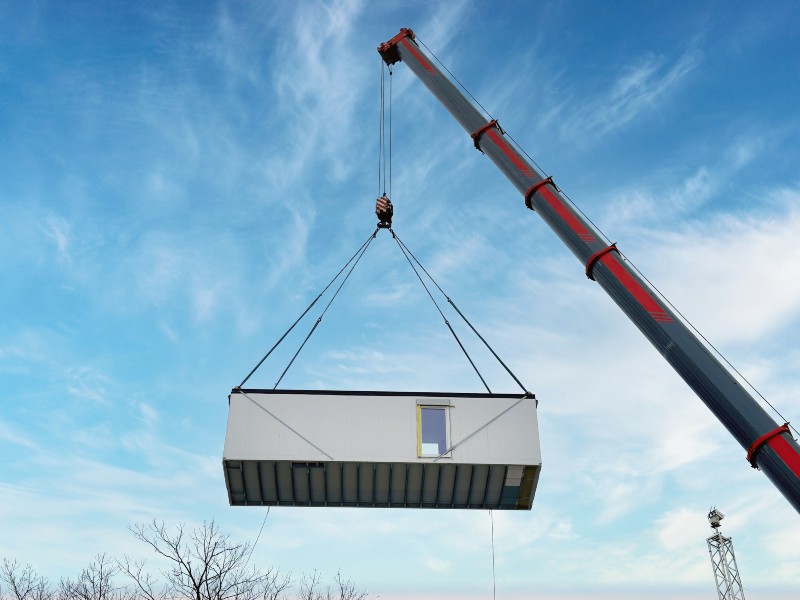
- Delivery and Assembly — Finished modules are transported to the site and set into place using specialized equipment. Once aligned and connected, final adjustments and finishing touches make the structure ready for occupancy.
Benefits of Modular Building Construction
Modular construction by companies like Mobilease Modular Space stands out for its efficiency compared to traditional building methods, offering faster timelines and streamlined processes. Below are several vital advantages that make modular solutions a practical choice across industries:
- Sustainability – Modular methods help limit environmental impact by reducing on-site waste, lowering emissions, and improving material efficiency compared to conventional construction practices.
- Affordability – Streamlined production and controlled material usage help keep costs predictable, often making modular buildings a more budget-friendly option than traditional construction.
- Durability – Designed for temporary and permanent use, modular structures are built to handle demanding conditions while maintaining long-term performance and energy efficiency.
- Versatility – These buildings perform well in a variety of settings, from early education classrooms to highly controlled environments like manufacturing clean rooms.
- Flexibility – Modular designs can support simple layouts or large, multi-use complexes, adapting easily to short-term needs or permanent operational requirements.
- Customization – Modular construction allows tailored layouts and features without excessive costs, giving organizations the ability to create spaces that match specific functional needs.
Key Applications of Modular Construction
Modular construction supports short-term and permanent space needs across a broad range of industries. Temporary units are often used for construction site offices, event facilities, and emergency response centers, while permanent buildings serve as school classrooms, healthcare clinics, government offices, and commercial spaces. Retailers and manufacturers also rely on modular solutions for expansions or specialized work environments. These structures offer consistent quality, quick installation, and adaptable layouts to match evolving demands. Mobilease Modular Space works with industry professionals nationwide to deliver dependable modular buildings designed for performance, flexibility, and long-term value in virtually any operational setting.
Typical Modular Building Sizes
Many modular structures follow standard sizing guidelines, though exact specifications can differ by state, manufacturer, and transportation limits. Module lengths often reach up to 60 feet, with some providers offering extended options as long as 72 feet. Height is generally restricted by federal transport rules, which cap cargo at 13 feet 6 inches. After accounting for the trailer used during delivery, most units measure between eight and nine feet in height. Width options are also standardized to support efficient transport and installation. Common modular building widths typically include the following:
- 12 feet
- 13 feet
- 13 feet and nine inches
- 14 feet and nine inches
Get in Touch With Mobilease Modular Space
Don’t hesitate to start your order for a fabricated modular building. Mobilease Mudolar Space is ready to address your specific needs and location and determine an ideal solution for your structural demands, regardless of your industry. Reach out to us today for more information and to discuss the details of your modular project for a quote.