
Disasters can change community needs in a matter of hours. Fast access to safe, functional space helps schools, municipalities, emergency teams, and relief organizations continue serving the public when every day counts. This blog explores the essential role of modular buildings for disaster response, including how these structures support emergency operations, temporary housing, healthcare services, and educational continuity. Our team draws on decades of construction expertise and turnkey project delivery. We have supplied emergency facilities of local communities, including shelters, temporary classrooms, and medical testing sites. Keep reading to learn more about the role of modular buildings.
Understanding Modular Buildings in Emergency Management
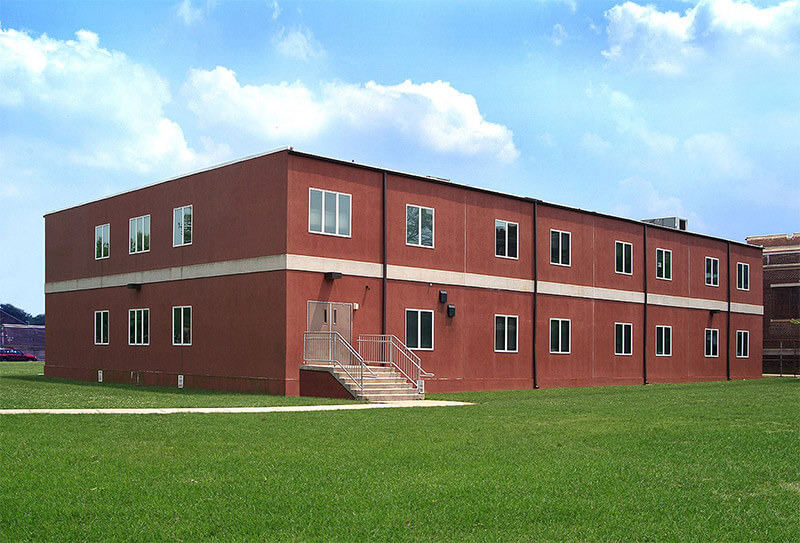
Emergency response efforts depend on having safe, reliable spaces available when communities need them most. Modular buildings provide flexible facilities for shelters, command centers, medical services, temporary classrooms, and more. Many organizations choose modular disaster recovery solutions because they can be delivered and installed much faster than traditional construction. Durable materials, adaptable layouts, and turnkey construction services allow these structures to meet changing needs during recovery efforts. These buildings are often relied on to restore essential services and support community operations while long-term rebuilding plans move forward.
The Critical Need for Rapid Infrastructure After Disasters
Communities depend on quick access to functional facilities after a disaster. Delays can affect public services, emergency operations, and healthcare access. Modular buildings in disaster management help address these challenges by providing deployable space that supports recovery efforts and helps organizations restore essential services promptly. Below highlights the importance of rapid infrastructure after a disaster:
- Supports Emergency Response Operations – Emergency teams need a dedicated space to coordinate resources and manage recovery activities. Rapidly available facilities help responders work efficiently and serve affected communities without interruption.
- Provides Safe Shelter for Communities – Temporary structures create secure environments for individuals and families displaced by a disaster. Comfortable shelter space helps communities regain stability while long-term recovery progresses.
- Maintain Access to Public Services – Government agencies often require temporary facilities to continue serving residents. Fast infrastructure solutions help keep critical administrative and community services available.
- Supports Healthcare and Relief Programs – Medical providers and relief organizations need reliable space to deliver care and assistance. Temporary facilities make it easier to offer essential services where they’re needed most.
Providing Emergency Shelter for Temporary Housing
Temporary housing helps families maintain stability and comfort after a disaster disrupts their homes. Communities often need dependable shelter options that can be established quickly to support displaced residents. Modular housing for disaster relief offers a practical answer through durable, well-equipped structures designed for rapid deployment. These buildings can provide sleeping areas, restrooms, dining spaces, and other essential accommodations.
Support Emergency Medical Services
Access to medical care remains a top priority after a disaster. Healthcare providers need additional space to treat patients, coordinate services, distribute supplies, and support recovery operations. Modular buildings offer a fast and practical solution when existing facilities face increased demand or limited availability. These structures can function as temporary clinics, triage centers, and more. Flexible floor plans allow medical teams to adapt spaces to specific needs. Reliable modular facilities ensure care continues while recovery efforts continue.
Advantages of Modular Buildings During Disaster Recovery
Communities often need practical solutions that can support recovery efforts without lengthy construction timelines. Emergency modular buildings provide flexible facilities for housing, healthcare, and administrative operations. Their adaptability and efficient installation make them valuable resources for organizations working to restore essential services. The list below includes the advantages of modular buildings during disaster recovery:
- Fast Deployment Capabilities – Modular buildings can be manufactured and prepared while site works move forward. This approach helps communities gain access to needed space sooner and support quicker recovery efforts.
- Flexible Applications – These structures can serve as shelters, medical facilities, classrooms, and more. Adaptable layouts allow organizations to configure spaces based on current needs.
- Durable Construction – Modular buildings withstand daily use in demanding environments. Strong materials help create dependable facilities that support recovery activities over time.
- Cost-Effective Solutions – Efficient construction methods can help organizations manage project budgets. Resources can be directed towards additional recovery priorities while maintaining access to quality facilities.
Why Choose Us?
Rapid response and dependable service matter when communities need temporary space after a disaster. Since 1996, Mobilease Modular Space has provided custom modular solutions. Our team delivers turnkey services, including planning, design, project management, construction, and installation. Clients turn to us for temporary shelters, modular classrooms, and other custom structures. Licenses, manufacturing, and construction expertise help ensure every project is completed efficiently, accurately, and ready to serve its intended purpose.
Trust Our Emergency Modular Buildings
Reliable facilities can make a meaningful difference during recovery efforts. Modular buildings for disaster response provide flexible space for essential services when communities need them most. Mobilease Modular Space delivers custom modular solutions backed by decades of experience, turnkey project management, and a commitment to quality construction. Reach out to our team to discuss your emergency space requirements and learn how a tailored modular building can support your organization’s response and recovery goals.
Modular Buildings for Disaster Response FAQs
How Quickly Can Modular Buildings Be Deployed After a Disaster?
Modular buildings can often be deployed much faster than traditional construction because a large portion of the building is completed off-site before delivery. The exact timeline depends on the size of the structure, site conditions, and project requirements. However, many organizations choose modular construction when rapid space solutions are needed during emergency response and recovery efforts.
What Types of Facilities Can Modular Buildings Support During Emergencies?
Modular buildings can support a wide range of emergency facilities, including temporary shelters, healthcare clinics, command centers, emergency operations offices, testing sites, classrooms, administrative buildings, and storage spaces. Their flexible layouts allow organizations to adapt the space to meet specific operational needs during disaster response and recovery.
Are Modular Buildings Durable Enough for Long-Term Recovery Projects?
Yes, modular buildings are designed for durability and long-term use. Many structures are constructed with high-quality materials and built to meet applicable building codes, making them suitable for extended recovery efforts and permanent applications when needed. Their strength and reliability help organizations maintain essential services throughout the recovery process.
Can Modular Buildings Be Customized for Healthcare and Educational Use?
Yes, modular buildings can be customized to support both healthcare and educational environments. Healthcare facilities can include treatment rooms, waiting areas, administrative offices, and support spaces, while educational buildings can feature classrooms, restrooms, administrative areas, and specialized learning environments. Custom floor plans help ensure each building serves its intended purpose effectively.